Peeling skin needs three things in the first 72 hours: gentle hydration, zero picking, and daily SPF 30+ once any redness settles — skip any one of those and you risk hyperpigmentation or scarring that outlasts the peel itself by months. The part most aftercare guides skip: sun sensitivity from a chemical peel lingers for 4 to 6 weeks after the visible peeling stops, so sunscreen discipline matters longer than the flaking phase does.
- Skin needs 3-14 days to recover depending on peel depth, with light peels healing fastest.
- Picking or scrubbing flaking skin during how to care for skin after chemical peel recovery causes scarring and uneven pigment.
- SPF 30+ daily is non-negotiable for 4-6 weeks post-peel, even after visible peeling stops.
- Retinol and exfoliating acids should stay off skin for at least 7-10 days post-peel.
- Luxus Aesthetics recommends a customized peel depth based on skin type before booking.
Why aftercare matters more than the peel itself
A chemical peel works by controlled exfoliation — it strips the outer layer of skin to trigger new cell turnover. What happens in the days after determines whether you get smoother, more even-toned skin or a rebound of redness, dryness, and dark patches.
Most complications from peels aren't caused by the acid itself. They're caused by what happens after: sun exposure without SPF, picking at flaking skin, or reintroducing retinol too early. The peel is the easy part — the recovery window is where results are won or lost.
Luxus Aesthetics, a boutique med spa in Happy Valley, Oregon, treats chemical peel recovery as part of the treatment plan, not an afterthought, because the aftercare routine directly affects how the skin heals and how long results last.
How to care for skin after a chemical peel
Follow this sequence starting the day of your peel:
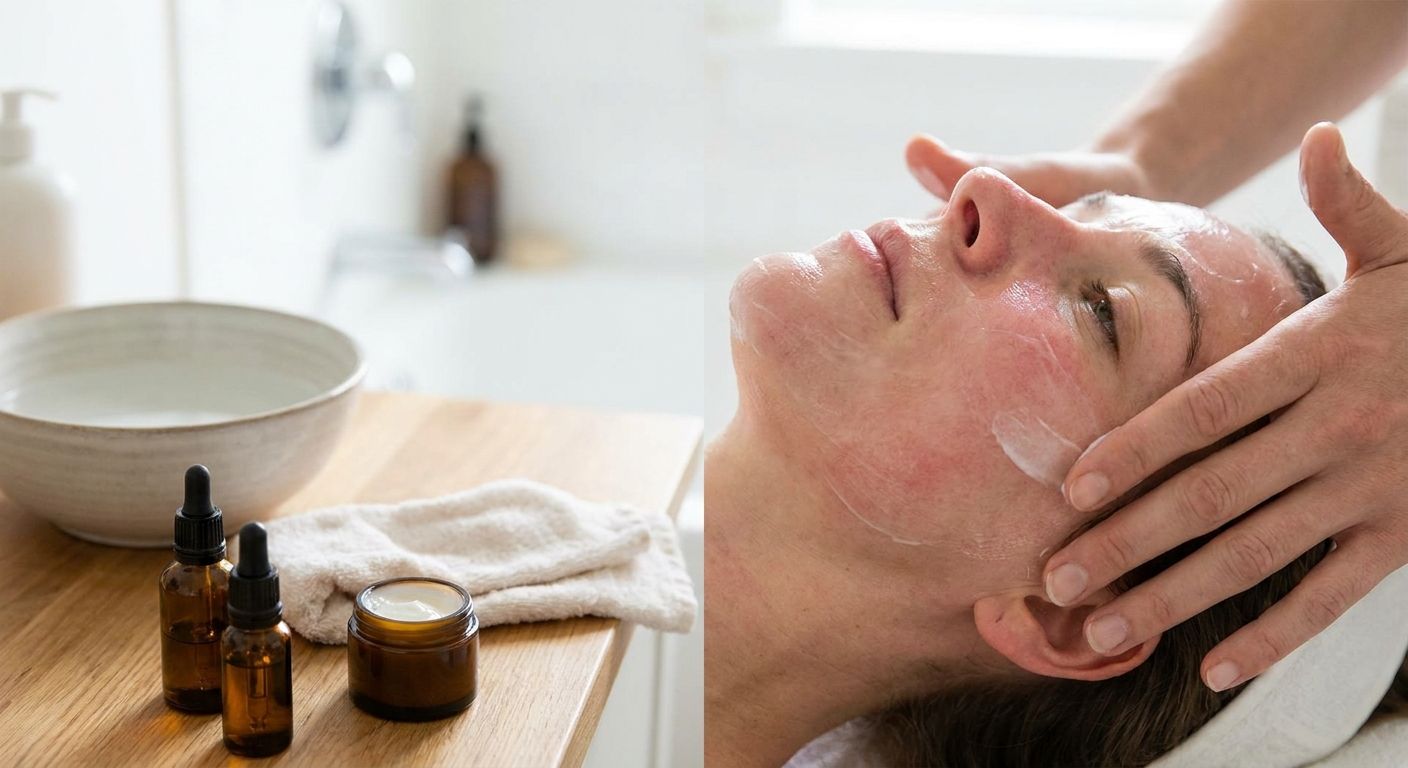
- Day 0-1: Cleanse only with lukewarm water and a fragrance-free cleanser. Apply a bland, occlusive moisturizer (think petrolatum-based, not active-ingredient-loaded) to seal in hydration. Skip makeup entirely.
- Day 1-3: Expect tightness, redness, or mild flaking depending on peel depth. Keep applying moisturizer 2-3 times a day. Do not pick, peel, or exfoliate manually — let skin shed on its own timeline.
- Day 3-7: Visible peeling typically peaks here for medium-depth peels. Continue bland moisturizer and add mineral SPF 30+ every morning, reapplied if you're outdoors more than 2 hours.
- Day 7-14: Skin texture starts smoothing out. This is when many providers clear patients to resume gentle actives like vitamin C, but retinol and exfoliating acids should wait longer.
- Week 4-6: Sun sensitivity is still elevated. Daily SPF remains mandatory even though peeling has fully resolved.
| Care step | What to do | What to avoid |
|---|---|---|
| Cleansing | Lukewarm water, fragrance-free cleanser | Hot water, scrubs, cleansing brushes |
| Moisturizing | Bland, occlusive formula, 2-3x daily | Active-ingredient moisturizers |
| Sun protection | Mineral SPF 30+, daily, reapplied | Tanning beds, unprotected midday sun |
| Actives | Wait 7-10 days minimum for gentle actives | Retinol, AHAs/BHAs, vitamin C too early |
| Physical contact | Hands off, let skin shed naturally | Picking, peeling, exfoliating manually |
Light chemical peel: 3-5 days of peeling
Superficial peels (glycolic, lactic, or mandelic acid at lower concentrations) target the outermost skin layer. Flaking is usually minimal — some people see almost no visible peeling, just tightness and mild pink tone for a day or two. Best for: first-time peel patients or anyone wanting a quick refresh with minimal downtime. Return to normal skincare and makeup within 3-5 days.
Medium chemical peel: 5-7 days of downtime
Medium-depth peels (TCA-based, higher-concentration glycolic) reach deeper into the skin and produce more visible peeling — think noticeable flaking or sheeting starting around day 3. Redness can last the full week. Best for: fine lines, texture irregularities, and pigmentation that a light peel won't touch. This is the depth used for chemical peels for fine lines and texture and for stubborn dark spots addressed through chemical peels for hyperpigmentation.
Deep chemical peel: up to 14 days of recovery
Deep peels (phenol-based) penetrate furthest and carry the longest downtime — swelling, significant peeling, and redness that can persist for 10-14 days, sometimes longer. These are rarely done in a standard med spa setting and typically require closer medical supervision. Best for: significant sun damage or deep wrinkling where lighter peels haven't moved the needle. Skip this option unless a provider has specifically recommended it after evaluating your skin.
Why healing time varies
Not everyone heals on the same timeline even with the same peel depth. Factors that push recovery longer or shorter:
- Skin type and thickness — thinner, more reactive skin flakes and reddens more visibly than thicker skin
- Peel concentration and pH — a 20% glycolic peel behaves nothing like a 70% one
- Sun exposure before and after — pre-existing sun damage extends redness and increases hyperpigmentation risk
- Aftercare compliance — skipping moisturizer or SPF slows healing and raises complication risk
- Prior use of retinol or actives — skin already primed with retinol before the peel sometimes reacts more intensely
- Underlying conditions — rosacea, eczema, or active acne can extend redness beyond typical timelines
“The peel is the easy part — the recovery window is where results are won or lost.”
How soon can I wear makeup after a chemical peel?
Most providers clear makeup around day 3-5 for light peels and closer to day 7 for medium-depth peels, once active flaking has stopped. Applying makeup over peeling skin traps bacteria and can worsen irritation, so wait until skin feels smooth rather than tacky or flaking.
Can I exercise after a chemical peel?
Hold off on heavy sweating for 48-72 hours after any peel, since sweat and friction from workout gear can irritate healing skin. Light walking is fine; hot yoga, saunas, and intense cardio should wait until peeling has mostly resolved.
When can I use retinol after a chemical peel?
Wait at least 7-10 days before reintroducing retinol, longer for medium or deep peels. Retinol combined with still-healing skin increases irritation and can trigger the exact rebound redness the peel was meant to avoid.
Talk through the right peel depth
A consultation matches peel strength to your skin type before you book.
FAQ
How long does skin peel after a chemical peel?
Skin peels for 3-5 days after a light peel, 5-7 days after a medium peel, and up to 14 days after a deep peel. The exact timeline depends on peel strength and individual skin type.
What should I put on my face after a chemical peel?
Use a bland, fragrance-free, occlusive moisturizer 2-3 times daily and mineral SPF 30+ every morning. Skip active ingredients like retinol, vitamin C, or exfoliating acids until skin has fully healed.
Is it bad to pick peeling skin after a chemical peel?
Yes, picking peeling skin after a chemical peel raises the risk of scarring and uneven pigmentation. Let skin shed on its own timeline instead of pulling or exfoliating manually.
Can I wear sunscreen right after a chemical peel?
Mineral sunscreen with SPF 30+ is required starting as soon as skin can tolerate a light layer, usually within a day or two once acute redness settles. Sun sensitivity lasts 4-6 weeks after a peel, well beyond the visible peeling phase.
How soon can I shower after a chemical peel?
You can shower the same day, but use lukewarm water and avoid direct hot water spray on the treated area for the first 24-48 hours. Hot water strips moisture and can worsen redness during how to care for skin after chemical peel recovery.
When can I get another chemical peel after the first one?
Most providers space repeat peels 4-6 weeks apart to let skin fully recover and avoid over-exfoliation. Deeper peels may require longer intervals between sessions.
Does chemical peel aftercare differ by skin tone?
Darker skin tones carry a higher risk of post-inflammatory hyperpigmentation, making strict sun protection and gentler peel concentrations more important. A provider should factor skin tone into both peel selection and aftercare instructions.
One last thing
The biggest aftercare mistake isn't skipping moisturizer — it's declaring victory too early on sun protection. Peeling stops looking visible within a week or two, but the skin underneath stays more UV-reactive for a full 4 to 6 weeks in 2026 clinical guidance, which is exactly when most people quietly undo their results with an unprotected afternoon outside.