If motherhood has left you wondering when your skin started looking more tired than you feel—or exactly as tired as you feel—Solaria™ by InMode offers a more serious kind of reset. This advanced fractional CO₂ laser can soften wrinkles, smooth rough texture, improve acne scars, and refresh sun-damaged skin with a treatment plan built around your goals and available downtime.
Book a Solaria consultation with Luxus Aesthetics in Colorado Springs.
- Solaria is a fractional CO₂ laser for deeper skin resurfacing—not a quick facial.
- The five most popular treatment approaches focus on overall refresh, fine lines, sun damage, acne scars, and the neck or chest.
- Your treatment can be adjusted from lighter resurfacing to more corrective work depending on your skin and schedule.
- Expect redness, swelling, flaking, and real recovery time; stronger treatments generally need more downtime.
- A Colorado Springs consultation is the right place to match the treatment to your skin tone, goals, and calendar.
The top 5 Solaria treatment modalities
“Modality” simply means the way your Solaria treatment is customized for a specific goal. These are five popular treatment approaches—not rigid packages—and your provider may blend more than one in the same plan.
1. The fresh-faced reset
This approach focuses on overall texture, dullness, and that rough, tired look that skincare alone is not shifting. Think of it as a reset for skin that has been through busy years, dry Colorado weather, inconsistent sleep, and plenty of time outdoors.
2. Fine-line softening
Solaria can be customized to soften visible lines and crepey texture, especially when the concern is more than a little surface dryness. The goal is smoother, fresher-looking skin—not a frozen or overdone appearance.
3. Sun-damage cleanup
Colorado sunshine is beautiful, but it can leave behind uneven tone, roughness, and visible photoaging. Solaria can resurface damaged skin so it looks clearer and more even. Individual brown spots still need to be assessed before treatment.
4. Acne-scar smoothing
Old acne may be gone, but the texture can linger for years. Fractional CO₂ resurfacing can soften the appearance of appropriate acne scars by creating a controlled renewal response. Deeper scars may need a staged plan or a combination approach.
5. Neck and chest refresh
The neck and chest often show sun damage and crepey texture even when the face gets all the skincare attention. Solaria may be used beyond the face when the skin, treatment area, and recovery plan make it appropriate.
Not sure which one sounds like you? Book a Colorado Springs consultation and let the Luxus Aesthetics team build the plan around your skin rather than a one-size-fits-all menu.
So, what exactly is Solaria?
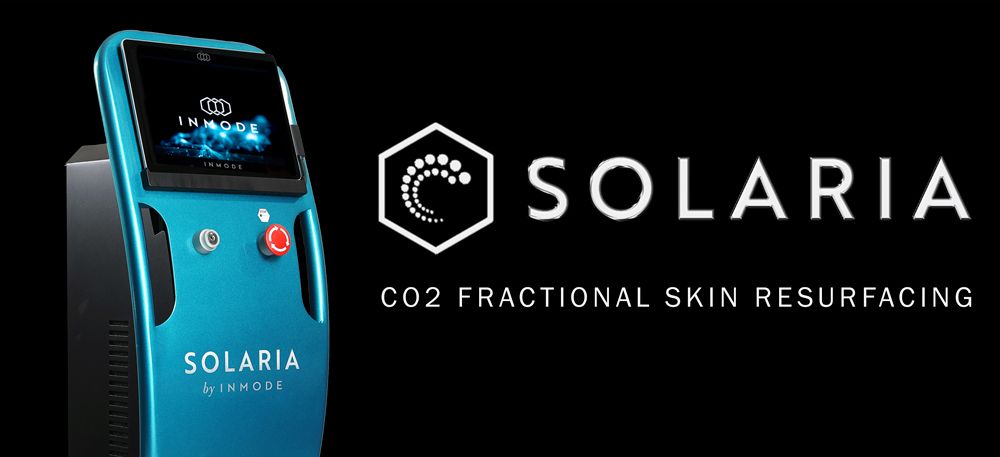
Solaria is an advanced fractional CO₂ ablative laser made by InMode. In everyday language, it creates tiny, carefully spaced treatment points in the skin. Those points remove damaged surface tissue and start a natural repair process, while the untouched skin between them helps the area heal.
The “ablative” part means this is true resurfacing. Solaria does more than warm the skin or give it a temporary glow. That is why it can create more noticeable improvement—and why you need to plan for recovery.
The “fractional” part means the entire surface is not treated as one solid sheet. Instead, the energy is placed in a pattern of tiny columns. Your provider controls how closely spaced and how intense those treatment points are.
Why busy moms may like a customizable treatment
A mom with a wedding in three weeks needs a different plan from someone who can comfortably hide out with a stack of shows and a grocery-delivery account. Solaria can be adjusted according to the concern, skin, and realistic downtime.
A lighter treatment may focus on refreshing tone and texture with less recovery. A more corrective treatment may go after deeper lines or scars but require a longer healing window. Neither is automatically better. The right choice is the one that fits your goals and your actual life.
That conversation should happen before treatment—not when you are already red and wondering whether school pickup can be done in sunglasses and a baseball cap.
What can Solaria improve?
InMode describes Solaria for fractional skin resurfacing, including concerns such as wrinkles, discoloration, acne scars, and surgical scars. It may be considered for:
- Fine lines and more visible wrinkles
- Rough, uneven, or crepey texture
- Appropriate acne scars
- Selected surgical scars
- Visible sun damage
- Uneven-looking tone
- Enlarged-looking pores
- Dull, weathered-looking skin
Solaria is not the answer to every skin concern. Redness, active acne, melasma, raised scars, and suspicious or changing spots may need a different approach. If a spot is new, changing, bleeding, raised, or irregular, it should be medically evaluated before cosmetic laser treatment.
Schedule your Colorado Solaria consultation to find out whether resurfacing—or another treatment—makes the most sense.
What the treatment actually does
Solaria uses CO₂ laser energy to create a precise grid of microscopic treatment zones. Your skin responds by repairing the surface and gradually remodeling collagen below it.
That gives you two stages of improvement:
- The surface refresh: damaged outer tissue sheds as the skin heals.
- The slower collagen phase: texture and firmness can continue changing over the following weeks and months.
This is not an overnight filter. The first stage is healing; the prettier stage comes after that.

Official Solaria result provided by InMode. Individual results vary.

Official Solaria result provided by InMode. Individual results vary.
What are Solaria’s four tips?
You may see Micro, Macro, Face, and Surgical listed in information about the Solaria platform. These are the four tips InMode provides so trained medical professionals can tailor how treatment is delivered.
- Micro: supports a fine, precise fractional treatment pattern.
- Macro: helps cover broader areas efficiently.
- Face: is designed for facial resurfacing workflows and the changing contours of the face.
- Surgical: gives appropriately trained medical providers an additional precision option within their scope of practice.
You do not need to choose your own tip. That is your provider’s job. The treatment goal, skin condition, area, and planned intensity matter more than the name stamped on the attachment.
What does Solaria feel like?
Comfort preparation may include topical numbing, depending on the area and treatment plan. During treatment, you may feel warmth, heat, or a prickling sensation. Protective eyewear is used, and the provider works through the area in an organized pattern.
Right afterward, skin may feel hot and look red—similar to a strong sunburn. Swelling, dryness, pinpoint crusting, and peeling can follow. The more intensive the treatment, the more visible the recovery is likely to be.
If you are planning around family photos, travel, a work presentation, or a big event, give yourself breathing room. Do not schedule based on someone else’s social-media recovery reel.
How much downtime should you expect?
There is no single downtime number for Solaria. Recovery depends on how deeply and densely the skin is treated, the area, your individual healing response, and how carefully you follow aftercare.
A lighter plan may involve a shorter stretch of redness and flaking. A more corrective treatment can bring more swelling, peeling, and time before makeup feels appropriate. Some pinkness may last beyond the peeling stage.
Before you commit, ask your provider:
- How many days should I expect to look visibly treated?
- When can I comfortably return to work or school events?
- When can I wear makeup again?
- Which skincare products need to stop before and after treatment?
- What would be considered an unexpected reaction?
If your calendar is packed, book a Colorado Springs consultation early enough to choose a treatment date that does not turn recovery into another family logistics project.
The mom-friendly recovery plan
Your skin barrier needs gentle care while it heals. Follow the instructions Luxus Aesthetics gives you for your exact treatment. General aftercare may include:
- Cleanse gently—no scrubbing or cleansing brushes
- Use the recommended healing ointment or barrier product
- Pause retinoids, acids, exfoliants, and other active products until cleared
- Do not pick flakes or tiny crusts
- Keep the area protected from direct sun
- Restart sunscreen and makeup only when your provider says it is appropriate
- Call the office if pain, drainage, blistering, or worsening redness seems outside the expected course
Make life easy before treatment. Wash your pillowcase, stock gentle products, handle errands, and plan simple meals. If possible, schedule your most chaotic commitments for another week. Recovery is much easier when you are not improvising it between practices, appointments, and snack requests.
Colorado’s elevation makes sun protection especially important. Freshly resurfaced skin and strong ultraviolet exposure are not a good pairing, and unprotected sun can increase the chance of uneven pigment after treatment.
Who may be a good candidate?
Solaria may suit a healthy adult who wants meaningful improvement in wrinkles, texture, scars, or sun damage and is comfortable with planned downtime.
A careful consultation is especially important if you have:
- A history of darkening or lightening after irritation
- A tendency toward raised or keloid scars
- Active acne, infection, dermatitis, or broken skin
- Recent tanning or heavy sun exposure
- A history of cold sores near the treatment area
- A health condition or medication that may affect healing
- A darker skin tone with a higher risk of post-inflammatory pigmentation
Having one of these factors does not always mean an automatic no. It means your provider needs to weigh the risks, adjust the plan, or recommend a safer alternative.
Solaria versus popular lower-downtime treatments
Solaria is a stronger resurfacing choice than a facial, light peel, or standard microneedling session. That does not make those treatments inferior; it makes them different tools.
- Microneedling may suit milder texture concerns when you want a non-laser option.
- RF microneedling focuses energy deeper through tiny needles and may be chosen for texture or tissue remodeling.
- IPL is often considered for selected red and brown discoloration, but it does not provide ablative resurfacing.
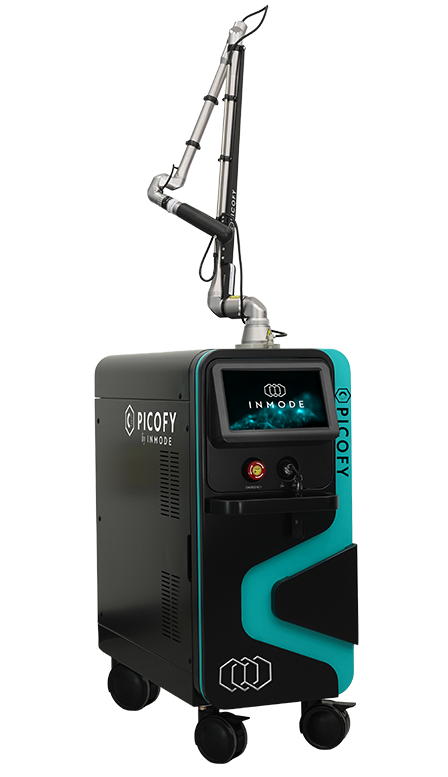
- Picosecond laser treatment is commonly used for tattoos, pigment, and selected fractional skin concerns.
- Chemical peels offer different depths of surface renewal depending on the formula.
The best choice is not the treatment with the most dramatic description. It is the one that safely matches the thing you want to change.
How many treatments will you need?
There is no universal Solaria package. Some people begin with one more intensive session and reassess after healing. Others may be better served by a conservative or staged approach.
The plan depends on scar depth, visible sun damage, treatment intensity, desired correction, healing response, and whether you are willing to repeat the recovery process. Collagen remodeling takes time, so the skin should be given a fair chance to change before another major session is scheduled.
When will you see results?
The surface may begin looking fresher after the initial healing stage. Texture and collagen-related changes develop more gradually over the following weeks and months.
Results cannot stop future aging or sun exposure. Daily sunscreen, a realistic home-care routine, and sensible maintenance help protect the improvement. You do not need a 12-step routine; you do need consistency.
Is Solaria worth it for you?
Solaria may be worth considering if you want a more meaningful skin reset than a no-downtime facial can provide—and you are willing to trade a recovery window for that stronger approach.
The best plan should answer four questions:
- What are we actually treating?
- Why is Solaria the right choice for it?
- What will I look and feel like while healing?
- How will we protect my skin and judge the result?
If those answers feel clear and realistic, you can make the decision with confidence. If the downtime or pigment risk does not fit, a gentler or staged plan may be the smarter choice.
Book Solaria in Colorado Springs
Luxus Aesthetics offers personalized cosmetic and anti-aging treatment planning in a boutique setting. Your consultation is the time to talk honestly about your skin, schedule, comfort level, and the result you hope to see.
Book your Solaria consultation with the Colorado Springs office.
Frequently asked questions
What is Solaria by InMode?
Solaria is an advanced fractional ablative CO₂ laser used for customizable skin resurfacing. It creates microscopic treatment zones while leaving skin between them untreated to support healing.
What are the five popular Solaria treatment modalities?
Five common treatment approaches focus on an overall skin refresh, fine-line softening, visible sun damage, acne-scar texture, and rejuvenation of appropriate neck or chest areas. These are personalized treatment goals, not fixed packages.
Is Solaria a quick facial?
No. Solaria is ablative resurfacing, so it creates a real healing response. Redness, swelling, dryness, crusting, and peeling can occur, with recovery depending on treatment intensity and individual healing.
What are the four Solaria tips?
InMode lists Micro, Macro, Face, and Surgical tips. Your provider selects the appropriate tip and settings according to the treatment goal, area, skin, and planned intensity.
Can moms fit Solaria into a busy schedule?
Yes, with advance planning. Choose a treatment date that leaves room for visible recovery, simplify family commitments where possible, and follow the clinic’s aftercare instructions closely.
Can Solaria be used on every skin tone?
Candidacy must be assessed individually. Deeper skin tones can carry a greater risk of pigment changes after ablative resurfacing, so an in-person evaluation and carefully selected plan are important.
How many Solaria treatments are needed?
There is no fixed series. The number depends on the concern, treatment intensity, desired correction, and healing response. Some plans begin with one session followed by reassessment.
Where can I book Solaria in Colorado Springs?
Use the Luxus Aesthetics Colorado Springs booking page to schedule a consultation and discuss whether Solaria fits your skin, goals, and available downtime.
One last thing
Moms are used to putting themselves last. A skin treatment will not fix a packed calendar or create eight hours of sleep, but the right plan can help your outside look a little more like the energetic version of you that is still very much in there. Solaria is not about looking like someone else. It is about choosing a thoughtful refresh that still looks like you.