Medical-grade skincare for sun damage sits between drugstore serums and in-office lasers — dosed high enough to reverse hyperpigmentation, rough texture, and fine lines that years of UV exposure carve into skin, and picking the right combination in 2026 comes down to matching treatment strength to the damage you actually have.
- Chemical peels for hyperpigmentation give the fastest visible fade on sun spots — Buy for uneven tone.
- PRP facial for anti-aging skin renewal rebuilds collagen lost to UV breakdown — Buy for texture and laxity.
- HydraFacial for dry winter skin repairs the barrier sun damage weakens — Consider it a maintenance layer.
- Skip DIY at-home peels above drugstore strength; they burn already-compromised, sun-damaged skin instead of resurfacing it.
Why this matters
Up to 90% of visible skin aging traces back to cumulative UV exposure, not the calendar — the brown patches, broken capillaries, and crepey texture you're seeing now are decades of sun damage surfacing at once. Retail vitamin C and retinol serums work on the top layer of skin and oxidize fast once opened; they were never formulated to reach the depth where sun damage actually lives. That's the gap boutique medical spas like Luxus Aesthetics exist to close, with clinical-strength peels, energy devices, and provider-guided protocols instead of a serum aisle.
Who this is for
This guide is for adults in their 30s through 60s carrying visible sun damage — brown spots across the cheeks and forehead, chest freckling, rough or crepey texture, and fine lines concentrated where sun hit hardest for years. If you've cycled through two or three retail serums without traction, the next step up is medical-grade, not a fourth serum.
What to look for in medical-grade skincare for sun damage
Prescription-strength actives
Retail products cap active ingredient percentages low enough to sell without supervision. Medical-grade formulations and in-office peels run at concentrations that actually break up melanin clumping and stimulate collagen turnover, which is the difference between fading a sun spot and just moisturizing over it.
Energy-based or resurfacing delivery
Sun damage lives in the dermis, not just the surface. Treatments that resurface or deliver energy below the epidermis — peels, microneedling, laser — reach where topical creams physically cannot.
Provider customization
A sun spot on fair skin and a sun spot on olive or deeper skin tones need different peel depths to avoid rebound pigmentation. A provider adjusts strength and depth to your Fitzpatrick type instead of applying one formula to everyone.
Combination protocols
No single treatment fixes pigmentation, texture, and collagen loss at once. The strongest 2026 protocols pair an in-office resurfacing treatment with a home regimen built to hold the result between sessions.
Clinical evidence for your specific damage type
Hyperpigmentation, textural scarring, and volume loss respond to different tools. Ask what the treatment is documented to do for your specific complaint, not just "anti-aging" in general.
Downtime that fits your calendar
Some resurfacing treatments carry 3-5 days of visible peeling; others carry none. Match the treatment to your actual schedule instead of picking the most aggressive option and hoping for the best.
Top picks for treating sun damage
Chemical peel for hyperpigmentation — the workhorse pick. A medium-depth acid blend targets the melanin clumping that causes sun spots and uneven tone, with most patients seeing 3-5 days of visible peeling before the new, more even layer surfaces. This is the fastest route to fading existing spots rather than just preventing new ones. Buy if uneven tone is your primary complaint. Chemical peel for hyperpigmentation
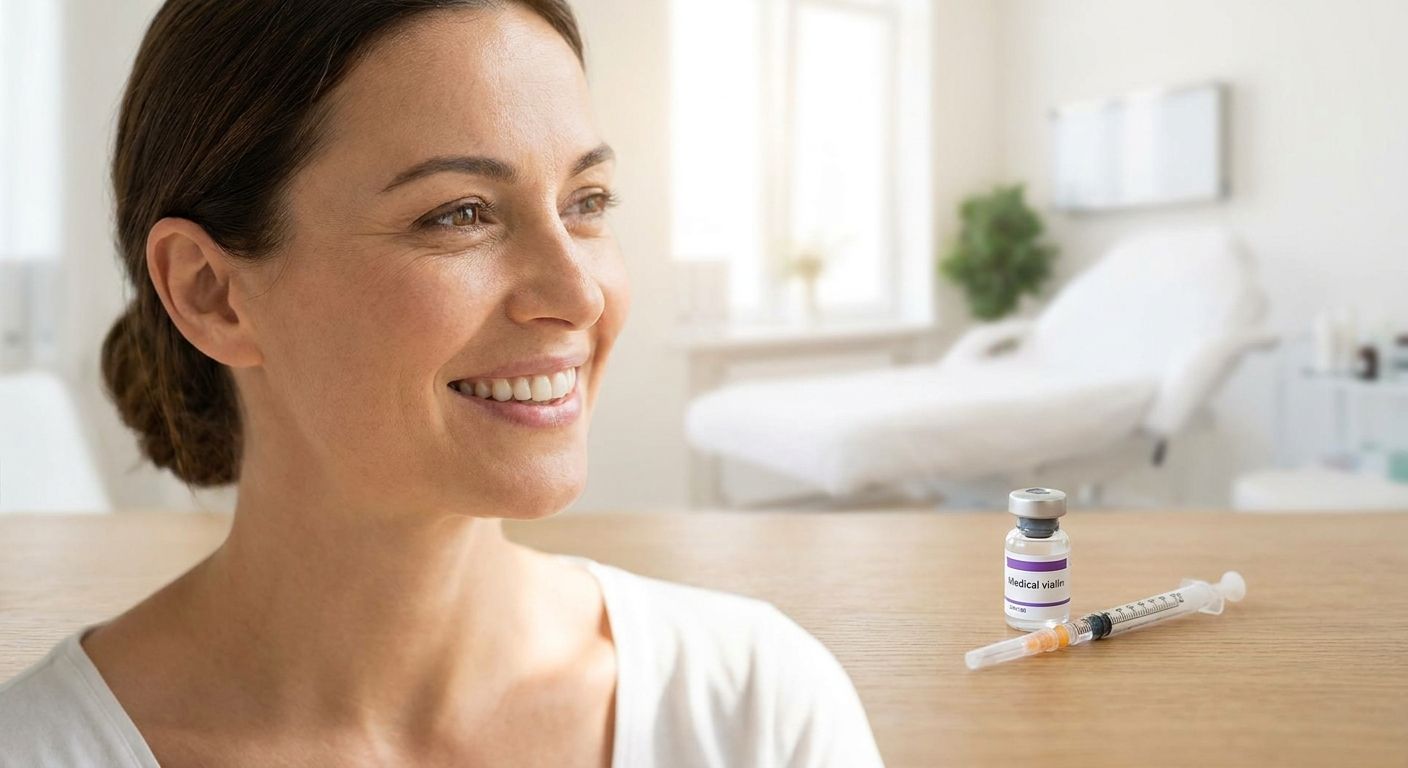
PRP facial for anti-aging skin renewal — the regenerative pick. Platelet-rich plasma drawn from your own blood is reinjected or microneedled into the skin to trigger collagen production, typically run as a series of 3 sessions spaced about four weeks apart. This is the pick for sun damage that shows up as laxity and thinning, not just spots. Buy if collagen loss is showing alongside pigmentation. PRP facial for anti-aging skin renewal
Microneedling for acne scars and sun-damage texture — the texture fix. Controlled micro-channels trigger the skin's own repair response, with full remodeling generally taking 60-90 days to show. It's built for rough, pitted, or uneven texture rather than color correction. Consider it as a second-phase treatment once pigmentation is under control. Microneedling for acne scars
HydraFacial for dry winter skin — the maintenance layer. Hydradermabrasion paired with serum infusion strengthens a barrier that years of sun exposure have thinned, with zero downtime required. It won't fade a deep sun spot on its own, but it holds results between more aggressive treatments. Buy as monthly maintenance alongside a resurfacing treatment above. HydraFacial for dry winter skin
Talk through your sun damage protocol
Book a consultation to match treatment depth to your skin.
What to avoid
- High-percentage at-home acid peels. Sun-damaged skin has a compromised barrier already; a strong acid meant for unbroken skin often burns rather than resurfaces it.
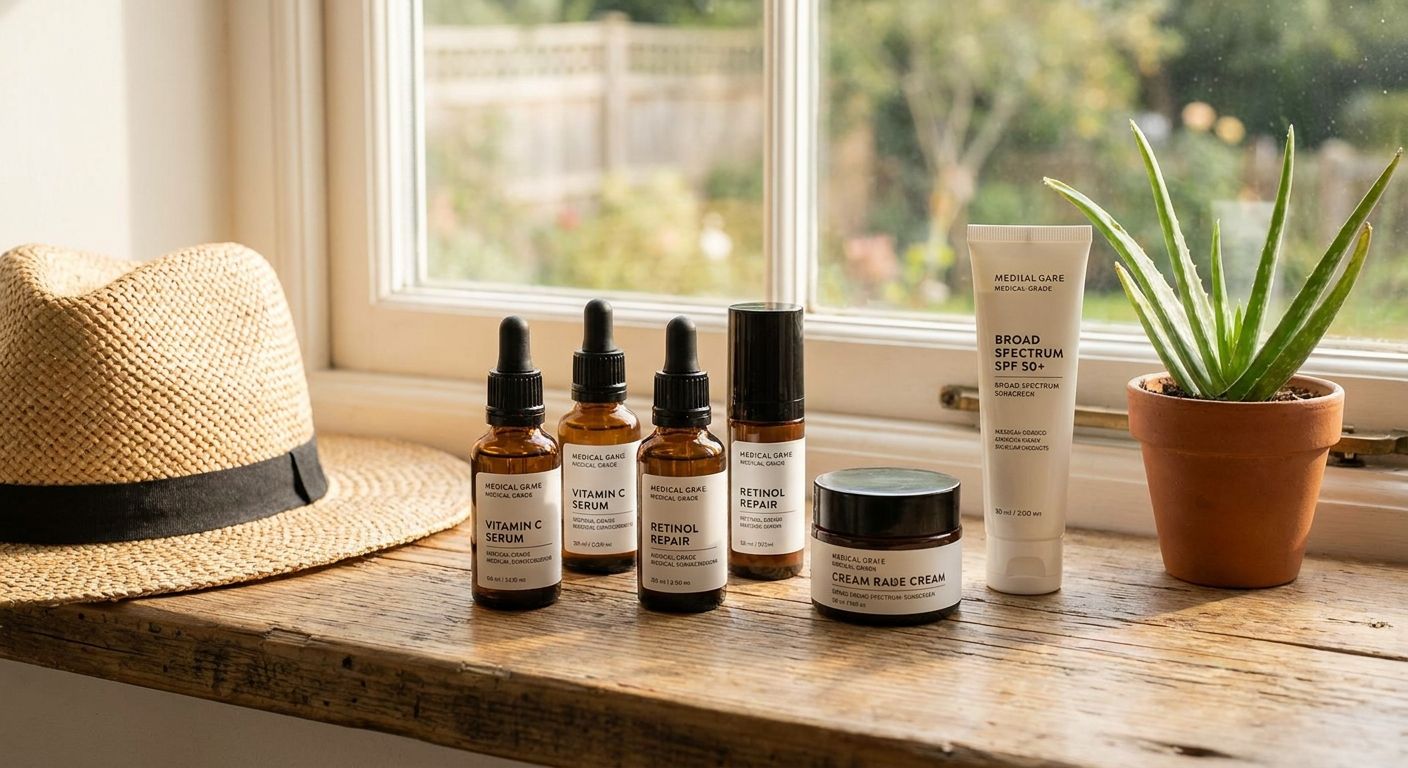
- Unstabilized vitamin C serums. Most oxidize within weeks of opening and turn from an antioxidant into an irritant on already-sensitized skin.
- Tanning or bronzing to "even out" existing spots. This adds new UV damage on top of the damage you're trying to treat — it never actually fixes pigmentation.
“If you aren't reapplying sunscreen every two hours outdoors, no in-office treatment will outrun the damage.”
Verdict comparison
| Treatment | Best for | Downtime | Sessions | Verdict |
|---|---|---|---|---|
| Chemical peel for hyperpigmentation | Sun spots, uneven tone | 3-5 days | 1-3 | Buy |
| PRP facial for anti-aging skin renewal | Collagen loss, laxity | 1-2 days redness | 3, monthly apart | Buy |
| Microneedling for acne scars | Texture, scarring | 2-3 days | 3-6 | Consider |
| HydraFacial for dry winter skin | Barrier repair, hydration | None | Monthly maintenance | Buy |
FAQ
What's the best medical-grade skincare for sun damage in 2026?
A chemical peel for hyperpigmentation is the fastest route to fading existing sun spots in 2026, paired with a PRP facial for anti-aging skin renewal if collagen loss and laxity are also present. Neither replaces daily SPF, which prevents new damage while the treatment corrects old damage.
Is medical-grade skincare better than drugstore products for sun damage?
Yes, for damage that's already visible, because medical-grade actives and in-office treatments are dosed and delivered deep enough to reach where sun damage actually sits. Drugstore serums work on the surface and mainly help prevent further damage rather than reverse existing spots.
How much does professional treatment for sun damage cost?
Cost varies by treatment type, depth, and how many sessions your skin needs, so it's worth getting a specific quote during a consultation rather than relying on a generic price. A provider can outline a realistic protocol once they've assessed your damage in person.
How long does it take to see results from a chemical peel for hyperpigmentation?
Most patients see visible peeling resolve within 3-5 days, with the more even tone underneath showing shortly after. Deeper pigmentation may need a second or third peel spaced weeks apart for full correction.
Can microneedling fix sun damage texture?
Yes, microneedling targets rough or uneven texture by triggering the skin's own collagen response, with full remodeling generally taking 60-90 days. It's better suited to texture than to correcting brown spots, which respond faster to a peel.
Is PRP facial treatment safe for sensitive or fair skin?
PRP uses your own blood plasma, which makes it well tolerated across most skin types and tones, including sensitive or fair skin. A provider will still confirm you're a good candidate before treatment.
How often should you get in-office treatments for sun damage?
Resurfacing treatments like peels or microneedling are typically spaced weeks apart in a short series, while maintenance treatments like a HydraFacial work well on a monthly cadence. The right frequency depends on how much damage you're correcting versus maintaining.
Does at-home retinol work as well as in-office treatments for sun damage?
Retinol helps maintain results and slow new damage, but it works far more slowly and superficially than an in-office peel or PRP facial. Most effective 2026 protocols use retinol as the home-care layer between professional treatments, not as a replacement for them.
One last thing
The treatments above only hold if daily sun protection changes alongside them — a fresh chemical peel on skin that goes back to unprotected sun exposure just rebuilds the same hyperpigmentation within a season. SPF 30 or higher, reapplied roughly every two hours outdoors, is the unglamorous part of every one of these protocols that actually determines whether 2026's results still look good in 2027.