High-altitude sun exposure in Colorado Springs breaks down collagen and triggers pigmentation faster than sea-level sun, and generic skincare advice doesn't account for the difference — this guide ranks the treatments that actually reverse it in 2026.
- Medical-grade skincare for sun damage is the top pick for daily UV repair and pigment control in 2026 — Buy.
- Chemical peels for hyperpigmentation remove stubborn sun spots that topical products alone won't touch — Buy.
- PRP facial for anti-aging skin renewal rebuilds collagen depleted by years of high-UV exposure — Consider.
- Skip anything marketed as a 'quick fix' peel with no downtime — altitude-damaged skin needs layered treatment, not a single pass.
Why this matters
UV radiation intensifies with elevation because there's less atmosphere to filter it. The commonly cited figure from public health agencies is a 10-12% increase in UV exposure for every 1,000 meters of elevation gained, and Colorado Springs sits at roughly 6,035 feet — well above sea level. That's a meaningfully higher UV load, day after day, even on cloudy or cold days when people skip sunscreen.
The result shows up as hyperpigmentation, broken capillaries, rough texture, and accelerated fine lines — often years before someone at sea level sees the same damage. Sunscreen alone doesn't undo what's already happened to the skin. Reversing high-altitude sun damage takes a combination of medical-grade topicals and in-office treatments that address pigment, collagen, and texture separately, because they break down differently under chronic UV stress.
How this list was ranked
Each treatment on this list is ranked on three factors: how directly it addresses sun-damage-specific concerns (pigment, collagen loss, texture), how it performs on skin that's been chronically exposed rather than occasionally sunburned, and how much downtime it requires relative to the results it delivers. Treatments that only mask damage temporarily, or that carry disproportionate downtime for altitude-specific concerns, rank lower or get a Hold/Skip verdict. This isn't a general anti-aging list — it's built specifically around what high-elevation UV exposure does to skin.
The ranked list
1. Medical-grade skincare for sun damage — the daily foundation
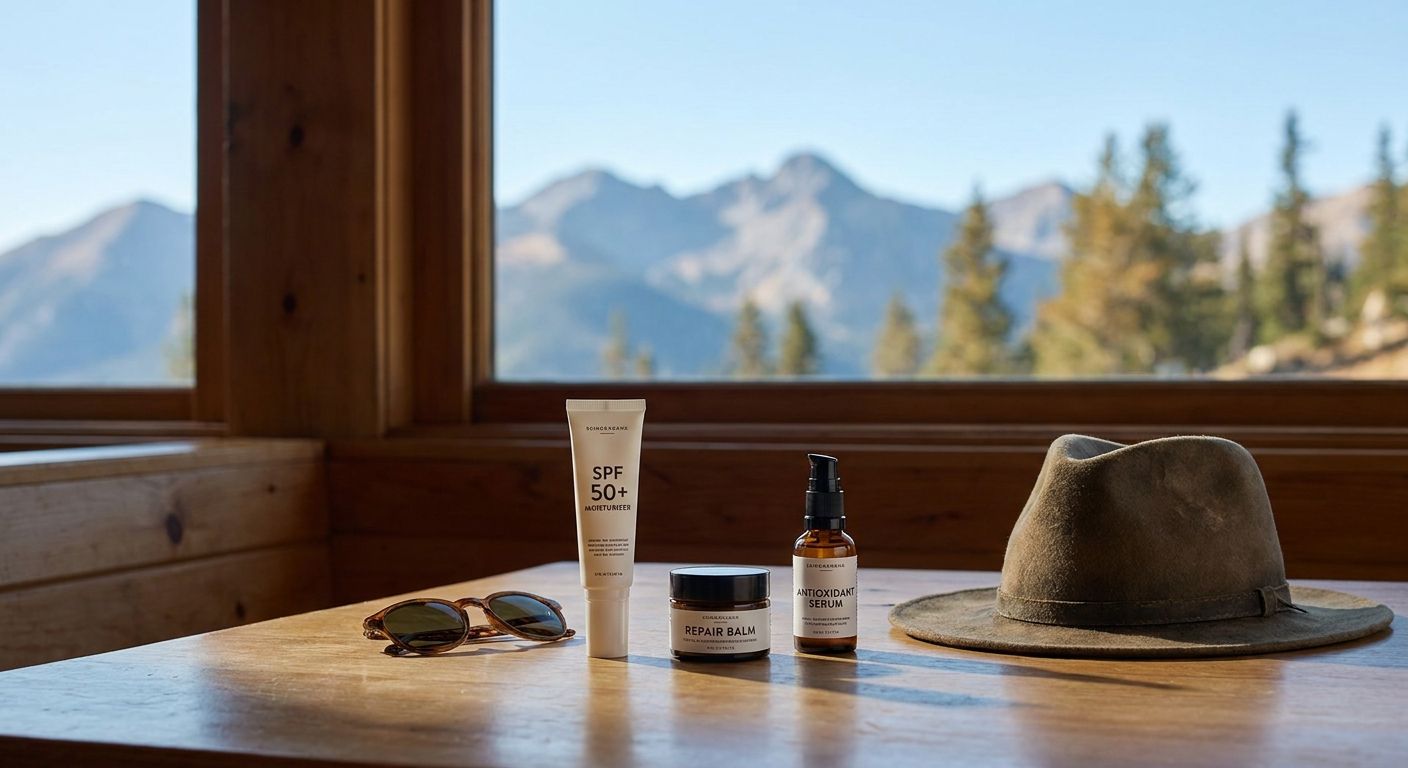
This is the treatment most people underweight. A physician-guided skincare regimen built for sun damage typically layers a broad-spectrum SPF with active ingredients that target pigment and support barrier repair, and it's the only entry on this list you use every single day rather than once a month. For someone living at 6,000+ feet, daily protection matters more than any single procedure. Medical-grade skincare for sun damage at Luxus Aesthetics Colorado Springs is built around exactly this exposure profile. Verdict: Buy.
2. Chemical peels for hyperpigmentation — the pigment fix
Sun spots and uneven tone that topical products can't fully clear usually need a peel that works below the surface layer. Chemical peels for hyperpigmentation target melanin clusters directly, and most protocols call for a short series rather than one session, with visible fading typically building over several weeks. This is the treatment to book when you've had consistent sun exposure for years, not months. Verdict: Buy.
3. PRP facial for anti-aging skin renewal — the collagen rebuild
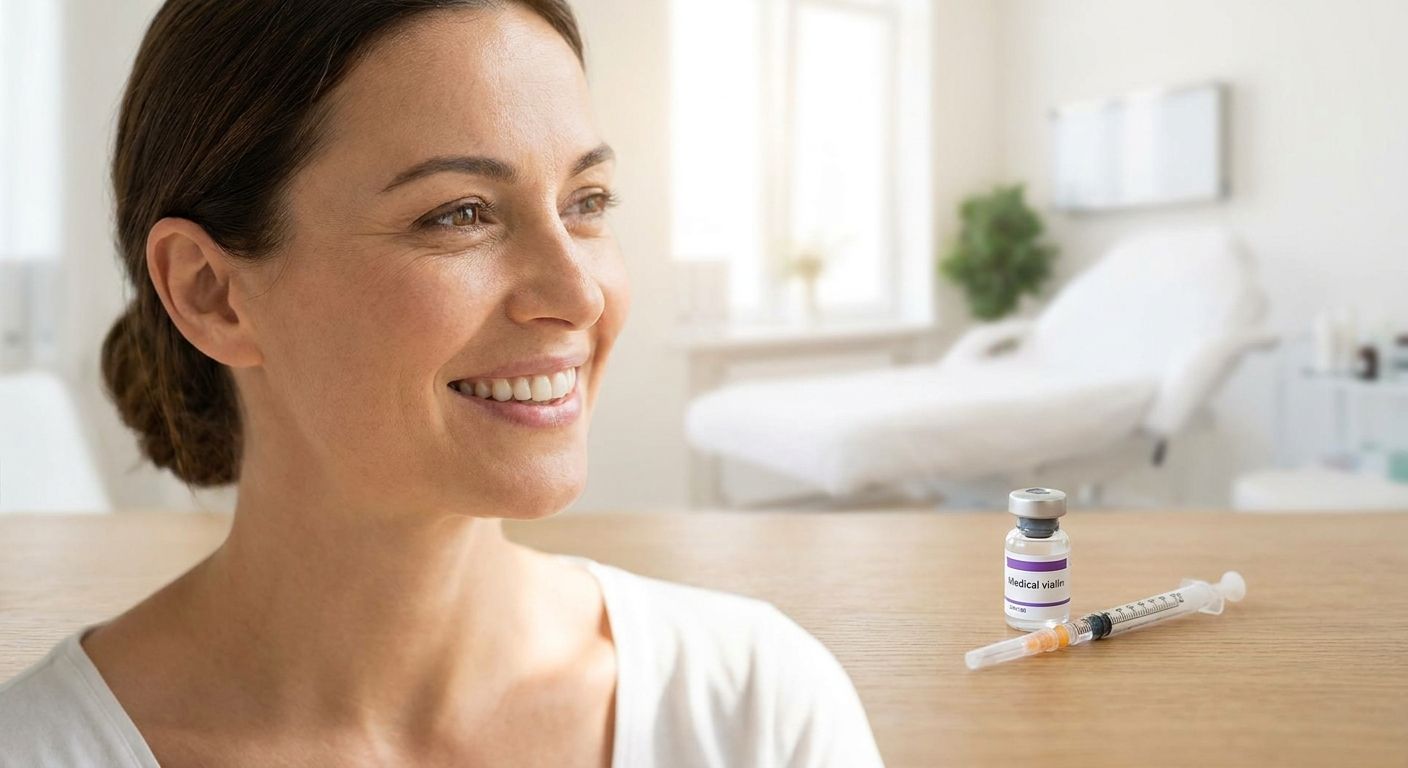
Chronic UV exposure at altitude accelerates collagen breakdown, and that's a structural problem topical products can't reverse on their own. A PRP facial for anti-aging skin renewal uses your own platelet-derived growth factors to stimulate new collagen production, which is why it pairs well after a pigment-focused peel rather than as a first move. Expect a series for full results, not a one-and-done. Verdict: Consider.
4. Microneedling for acne scars — the texture play
Sun damage doesn't just discolor skin, it roughens it, and years of UV exposure combined with old acne scarring compounds texture issues. Microneedling for acne scars creates controlled micro-injuries that trigger the skin's own repair response, smoothing texture over a series of sessions. It's a strong secondary treatment once pigment is under control, not a starting point for someone with active hyperpigmentation. Verdict: Consider.
5. Facials for sensitive skin in Colorado Springs — the recovery step
After a peel or microneedling series, skin at altitude tends to run more reactive than it would at sea level, partly due to lower humidity compounding UV stress. A gentle facial built for sensitive, post-procedure skin supports barrier recovery between more aggressive treatments. On its own, it won't touch existing sun damage — it's a support treatment, not a fix. Verdict: Hold as a standalone, useful in rotation with the picks above.
“If you're not layering pigment treatment with daily SPF at 6,000 feet, you're re-creating the damage as fast as you're clearing it.”
Comparison at a glance
| Treatment | Best for | Downtime | Verdict |
|---|---|---|---|
| Medical-grade skincare for sun damage | Daily prevention + maintenance | None | Buy |
| Chemical peels for hyperpigmentation | Stubborn sun spots, uneven tone | 3-7 days peeling | Buy |
| PRP facial for anti-aging skin renewal | Collagen loss, crepey texture | 1-2 days redness | Consider |
| Microneedling for acne scars | Rough texture, old scarring | 2-3 days redness | Consider |
| Facials for sensitive skin | Recovery between treatments | None | Hold (standalone) |
Where to book this in 2026
- Confirm the provider is a licensed medical spa, not a day spa offering peels off a retail shelf — sun-damage-grade actives require medical oversight.
- Ask whether the pigment treatment and the collagen treatment are sequenced or stacked in the same visit; altitude-damaged skin generally responds better to a spaced-out series.
- Skip any provider that pushes a single peel as a complete fix for years of cumulative UV exposure — that's a marketing claim, not a clinical one.
Get a sun-damage skin assessment
See which treatments fit your skin at Colorado Springs elevation.
FAQ
What is the best skincare for high altitude sun damage in 2026?
Medical-grade skincare built for sun damage, paired with a chemical peel series for hyperpigmentation, is the strongest combination in 2026. Daily SPF handles prevention while the peel addresses existing pigment.
Does living at high altitude actually cause more sun damage?
Yes — UV exposure increases an estimated 10-12% for every 1,000 meters of elevation gained, according to World Health Organization estimates. Colorado Springs sits at roughly 6,035 feet, well above sea level.
Are chemical peels safe for skin damaged by high-altitude sun exposure?
Chemical peels for hyperpigmentation are commonly used on sun-damaged skin when done as part of a planned series rather than a single aggressive session. A provider should assess pigment depth and skin sensitivity first.
Is PRP or microneedling better for sun damage?
PRP facial treatment targets collagen loss and overall skin renewal, while microneedling for acne scars focuses more on texture and scarring. Many people use both in sequence rather than choosing one over the other.
How often should someone at high altitude get a skincare treatment for sun damage?
Most peel and PRP protocols run as a series over several months, not a single visit. Daily medical-grade skincare runs continuously alongside any in-office series.
Can sunscreen alone fix high-altitude sun damage?
No — sunscreen prevents new damage but does not reverse existing pigmentation or collagen loss. Existing damage needs an active treatment like a peel or PRP facial alongside daily SPF.
What's the difference between sun damage and normal aging at altitude?
Sun damage shows up as pigmentation, broken capillaries, and localized rough patches, while general aging shows up as overall volume loss and fine lines. At elevation, sun damage tends to appear earlier because of higher chronic UV exposure.
Is a medical spa necessary for treating high-altitude sun damage?
A licensed medical spa gives access to medical-grade actives and in-office procedures that retail skincare and day spas don't offer. For sun damage built up over years, that level of treatment matters more than for occasional touch-ups.
One last thing
Most people treat sun damage as a cosmetic annoyance and only book a peel once pigmentation is already visible — by then, the collagen loss underneath has usually been happening for longer than the spots suggest. Layering a daily medical-grade regimen under a Colorado Springs sun in 2026 does more to prevent the next round of damage than any single in-office visit can undo the last one.