If your cheeks flush at the first sip of coffee, sting under sunscreen, or stay red for hours after a workout, over-the-counter skincare probably isn't cutting it. Medical grade skincare for rosacea targets the inflammation and barrier damage driving those flare-ups, not just the redness on the surface.
- Medical grade skincare for rosacea works by repairing the skin barrier and calming inflammation, not masking redness.
- Azelaic acid and niacinamide are the two ingredients dermatology research backs most consistently for rosacea in 2026.
- Mineral SPF 30-50 is non-negotiable for rosacea-prone skin year-round, not just summer.
- A sensitive-skin facial protocol beats a drugstore exfoliating regimen for anyone with active flushing or visible vessels.
- Skip chemical peels during an active flare; save aggressive exfoliation for calm, stable skin phases only.
Who this is for
This guide is for adults dealing with persistent facial redness, visible blood vessels, or skin that reacts to nearly everything they put on it. You've likely tried a few drugstore "calming" lines that promised relief and delivered stinging instead. If you're managing diagnosed rosacea or suspect you have it but haven't gotten a professional read on your triggers, medical grade skincare for rosacea is the category worth understanding before you spend another cycle guessing. At Luxus Aesthetics, this conversation starts with what's actually happening in the skin barrier, not just which product has the prettiest packaging.
Why this matters
Rosacea isn't dry skin with a bad attitude. It's a chronic inflammatory condition where the skin barrier is compromised, blood vessels dilate too easily, and common triggers (heat, alcohol, fragrance, sun) set off a flush-and-inflame cycle. Consumer skincare formulated for "sensitive skin" often still contains fragrance, essential oils, or high concentrations of active ingredients that aggravate rosacea rather than calm it. Medical grade formulations are built around ingredient concentrations and delivery systems studied specifically for barrier repair and vascular calming, which is why providers steer patients toward them instead of whatever is trending on social media in 2026.
What to look for in medical grade skincare for rosacea
Barrier-repair ingredients over active-heavy formulas
Ceramides, cholesterol, and fatty acids rebuild the lipid layer that keeps moisture in and irritants out. Rosacea-prone skin almost always has a compromised barrier, so a product loaded with actives before the barrier is stable just adds fuel to the fire.
Azelaic acid concentration
Azelaic acid at 15-20% is one of the most consistently recommended ingredients for rosacea because it reduces inflammation and the papules that come with it, without the photosensitivity risk of retinoids. This is the ingredient to check for on a label before anything else.
Niacinamide instead of harsh brighteners
Niacinamide calms redness and strengthens the barrier at the same time, which is a rare combination. Skip vitamin C serums with high L-ascorbic acid concentrations until your skin is stable — they're often too acidic for reactive skin.
Mineral, not chemical, sunscreen
UV exposure is one of the most reliable rosacea triggers, and chemical sunscreen filters (oxybenzone, avobenzone) sting reactive skin more often than mineral options. Zinc oxide or titanium dioxide formulas at SPF 30-50 should be a daily non-negotiable, not a summer-only habit.
Fragrance-free, not "unscented"
Those two labels are not the same. "Unscented" products can still contain masking fragrance compounds that trigger flares — check the ingredient list for "fragrance" or "parfum" specifically, not just the front-of-bottle claim.
Professional guidance on sequencing
Even the right ingredients in the wrong order or concentration can overload a compromised barrier. This is where a provider consult beats guessing from a skincare forum, because rosacea severity and triggers vary enough that a generic routine rarely works for everyone.
Top picks for rosacea-prone skin
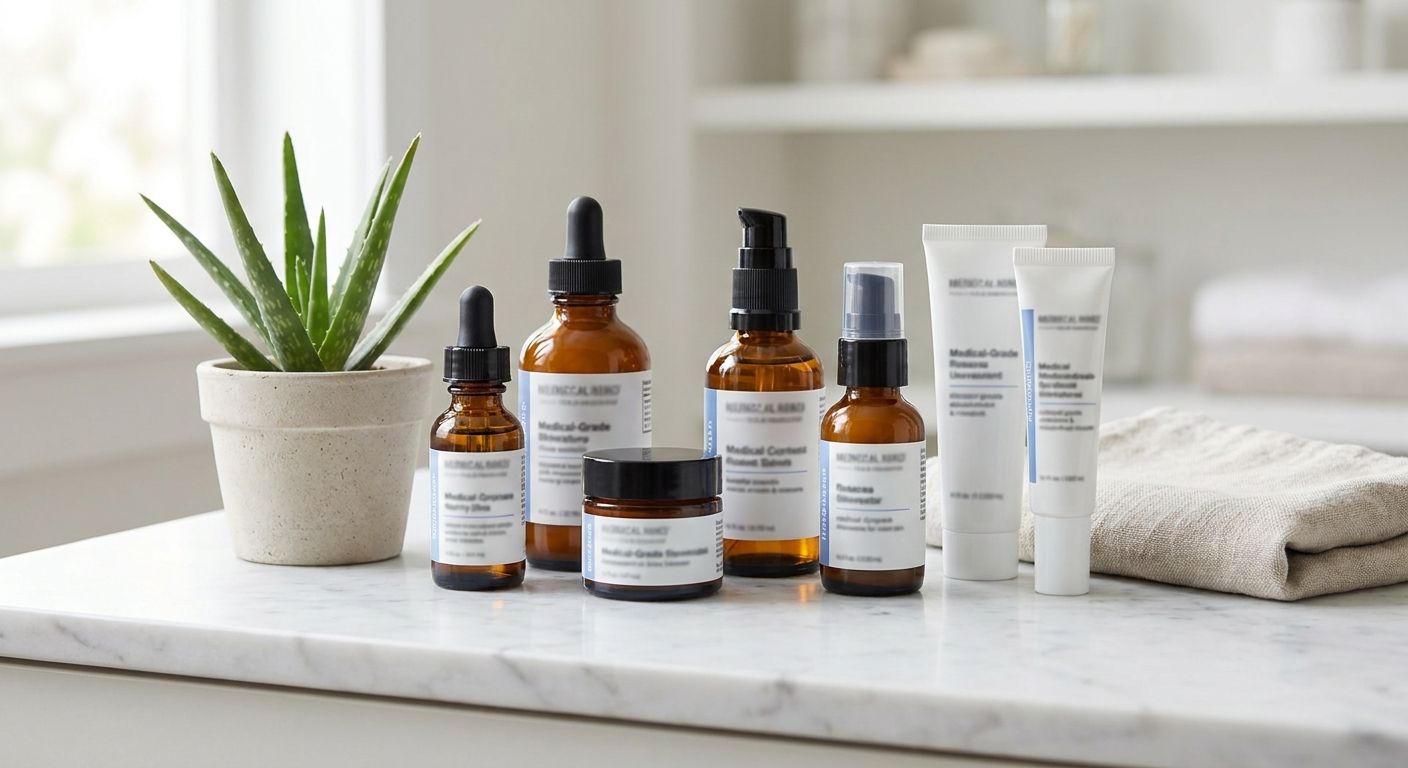
The barrier-first regimen — the safe pick. A ceramide-based cleanser and moisturizer paired with 15% azelaic acid is the combination most dermatology guidance points to first for rosacea in 2026, because it addresses inflammation without destabilizing the skin. A sensitive skin facial built around this kind of protocol gives your skin a professional reset before you commit to a home routine. Verdict: Buy.
Mineral SPF 30-50 — the non-negotiable. This isn't optional for rosacea management; UV exposure is one of the top reported flare triggers across dermatology literature. A daily zinc-based formula worn rain or shine, even in Oregon's overcast months, is cheap insurance against months of flare recovery. Verdict: Buy.
Hydrating reset treatment — the wildcard. Rosacea-prone skin often swings between oily-feeling and dehydrated depending on the season, and a professional hydrafacial for dry winter skin protocol replenishes moisture without the friction of at-home exfoliating tools. It's not a fix for active inflammation, but it's a strong complement between flare cycles. Verdict: Consider.
High-strength retinoid — the aggressive option. Prescription-strength retinoids can improve texture over time, but they're also one of the fastest ways to trigger a rosacea flare if introduced too quickly or at too high a concentration. Only attempt this under direct provider supervision with a slow build-up schedule. Verdict: Consider, with supervision only.
Drugstore exfoliating acid pads — the trap. Glycolic or salicylic acid pads marketed for "glowing skin" are formulated for general use, not reactive skin, and the concentration is rarely disclosed clearly. These are one of the most common causes of self-inflicted flares in people who don't yet have a rosacea diagnosis. Verdict: Skip.
What to avoid
- Physical scrubs and high-friction exfoliating tools. They look like they're "deep cleaning," but for rosacea they mechanically irritate already-dilated vessels and worsen visible redness.
- Aggressive chemical peels during an active flare. A chemical peel for hyperpigmentation can be appropriate for calm, stable skin with post-inflammatory discoloration, but timing matters enormously with rosacea — book this only after a provider confirms your skin is in a settled phase, not mid-flare.
- Alcohol-based toners marketed as "pore-refining." Denatured alcohol strips the barrier fast, which feels tightening in the moment and triggers a rebound flare within a day or two.
Get a rosacea skin plan built for you
A provider consult identifies your triggers before you spend another cycle guessing.
Verdict comparison
| Approach | Barrier support | Redness control | Best for | Verdict |
|---|---|---|---|---|
| Ceramide + azelaic acid regimen | High | High | Daily foundation routine | Buy |
| Mineral SPF 30-50 | Moderate | High (prevention) | Every skin type, every day | Buy |
| Professional hydrating facial | High | Moderate | Seasonal reset, dehydration | Consider |
| Supervised retinoid | Low initially | Low initially, improves later | Texture, long-term under care | Consider |
| At-home exfoliating acid pads | Low | Low | Nobody with active rosacea | Skip |
FAQ
What is medical grade skincare for rosacea?
Medical grade skincare for rosacea refers to formulations with clinically studied concentrations of ingredients like azelaic acid and niacinamide, typically recommended or dispensed through a provider rather than sold over the counter. These products are built around barrier repair and inflammation control rather than general cosmetic claims.
Is medical grade skincare better than drugstore products for rosacea?
For active rosacea, yes — medical grade formulations use researched concentrations and skip common irritants like fragrance and denatured alcohol found in many drugstore lines. Drugstore products can work for maintenance once skin is stable, but starting there often prolongs flare cycles.
Can chemical peels help rosacea?
A chemical peel can help with post-rosacea pigmentation or texture once skin is in a calm, stable phase, but peels during an active flare typically make redness and sensitivity worse. Timing and strength need provider guidance.
How long does it take to see results from a rosacea skincare routine?
Most people see reduced redness and fewer flares within 6-8 weeks of consistent barrier-repair skincare, with azelaic acid often showing visible improvement around the one-month mark. Full stabilization can take longer depending on flare frequency before starting.
Should I use retinol if I have rosacea?
Retinol can worsen rosacea if introduced too fast or at too high a strength, so it's not a first-line choice. If texture improvement is the goal, a slow-build supervised protocol is safer than an over-the-counter retinol bought without guidance.
What ingredients should rosacea sufferers avoid?
Fragrance, denatured alcohol, high-concentration vitamin C, and physical exfoliating scrubs are the most commonly cited triggers. Checking full ingredient lists matters more than trusting front-of-label claims like "gentle" or "unscented."
Does sunscreen matter that much for rosacea?
Yes — UV exposure is one of the most frequently reported rosacea triggers, so daily mineral SPF 30-50 is considered a baseline requirement, not an optional step. Skipping it on cloudy days is a common mistake that undermines an otherwise solid routine.
Is a professional facial worth it for rosacea-prone skin?
A facial designed for sensitive or reactive skin can reset hydration and calm inflammation without the friction of at-home tools, making it a useful complement to a daily routine. It's not a substitute for consistent barrier-repair skincare between visits.
One last thing
Most people with rosacea chase the wrong metric — they judge a product by how quickly it reduces visible redness in the moment, when the ingredients that do that fastest (menthol, alcohol, high-strength acids) are usually the ones causing the long-term flare cycle. The products that actually improve rosacea over 2026 rarely feel dramatic on day one; they feel boring, calm, and slightly slow, which is exactly the point.