Bruising after lip filler is driven almost entirely by what you do in the 7-10 days before your appointment, not by luck or skin type. Stopping blood-thinning supplements and medications early, icing immediately after injection, and choosing a provider who uses a cannula over a sharp needle are the three moves that cut bruising risk the most. The one caveat most people miss: even a perfect prep routine won't guarantee zero bruising, because lips carry a dense network of small blood vessels that any needle or cannula has to pass near.
- Preventing bruising after lip filler starts 7-10 days out — stop aspirin, fish oil, and alcohol before treatment day.
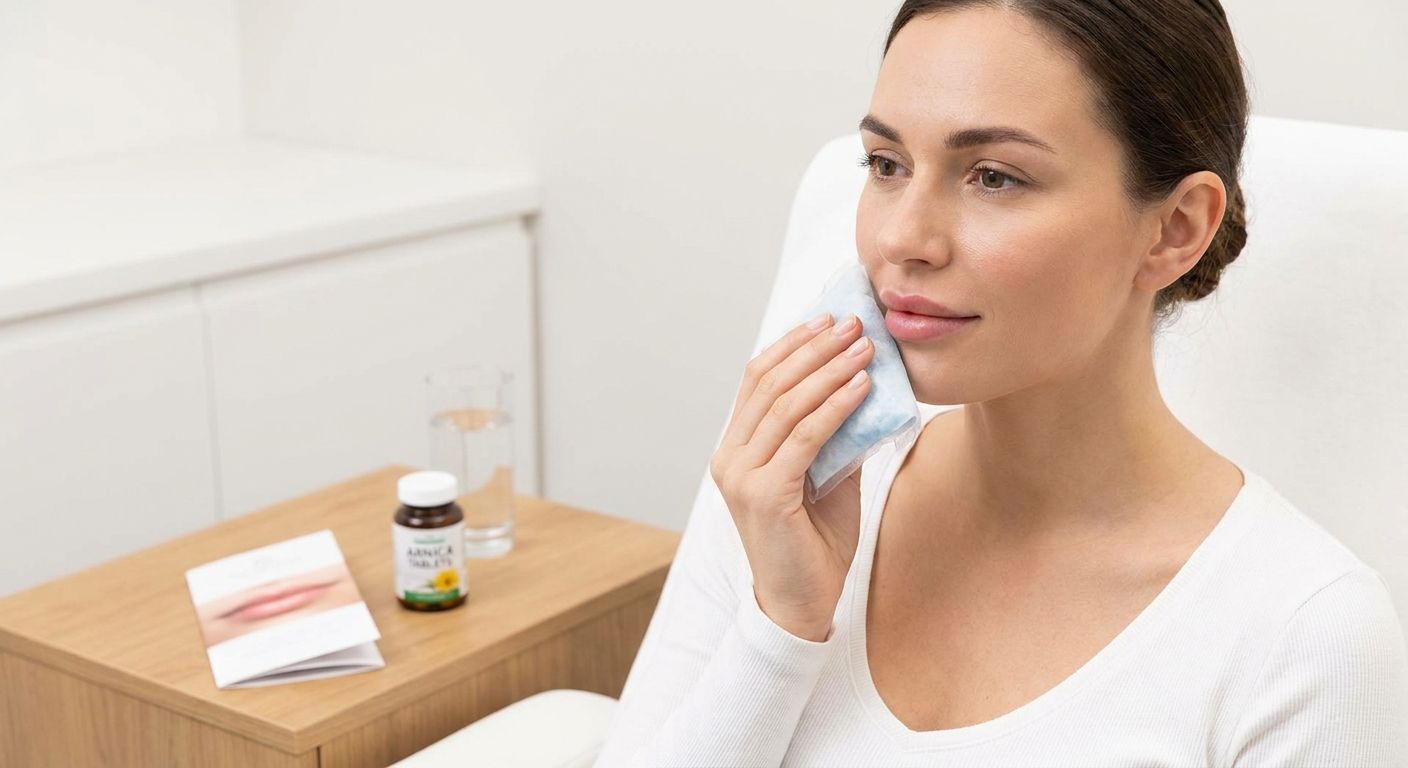
- Ice for 10-15 minutes immediately post-injection; arnica and bromelain before and after are the most-used supplements.
- Cannula injection technique causes less vessel trauma than a sharp needle for most lip filler appointments.
- Most bruising fades in 7-14 days; a few spots can linger closer to 3 weeks in thinner skin.
Why this matters
Lip tissue is thin and vascular, so even a skilled injector can nick a small vessel. Bruising itself is harmless and resolves on its own, but it's the number one reason people delay booking lip filler before an event, a wedding, or a work trip. Getting the prep and aftercare right is the difference between a barely-there mark you can cover with concealer and a visible bruise that lasts into a second week.
How to prevent bruising after lip filler
The sequence matters more than any single product. Follow this order and you address the risk at every stage — before, during, and after the appointment.
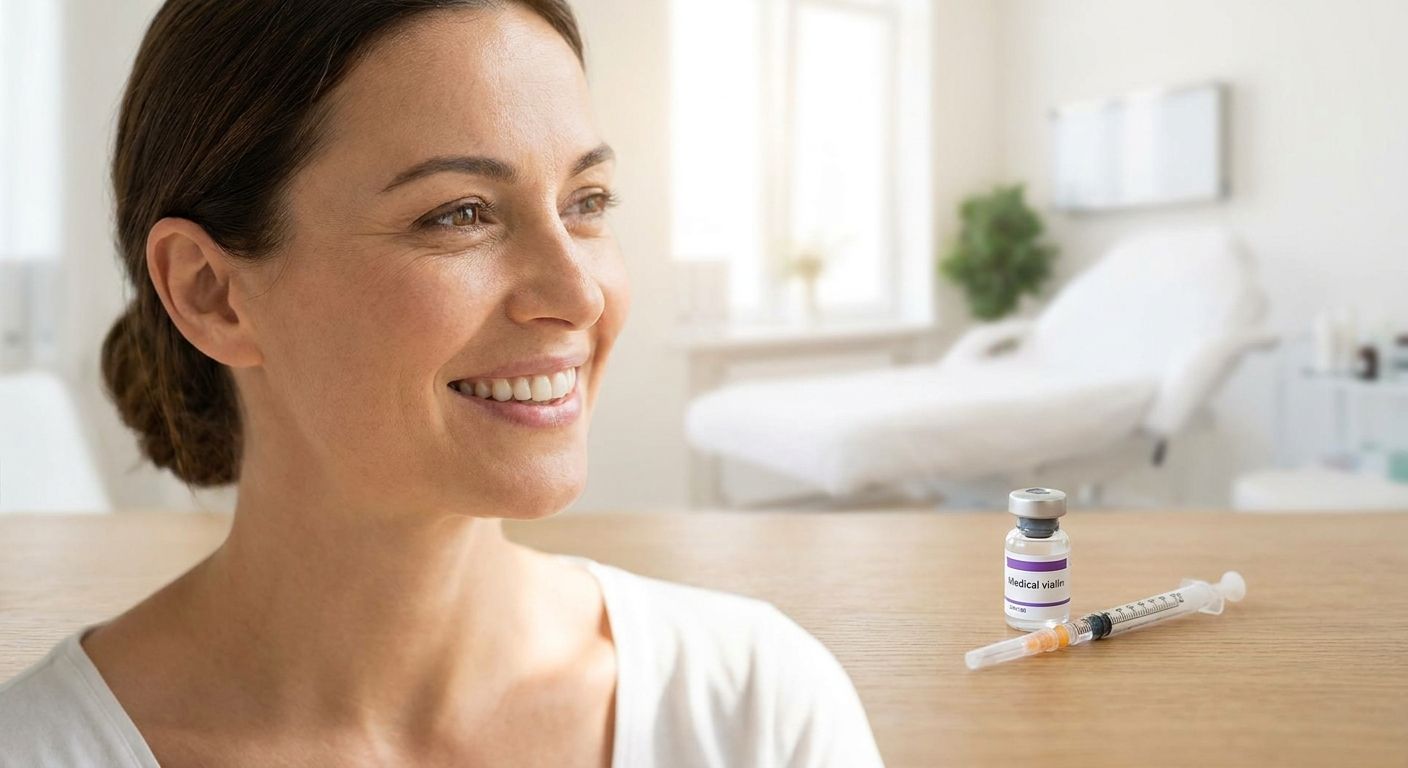
- Stop blood thinners 7-10 days before treatment. This includes aspirin, ibuprofen, fish oil, vitamin E, and other NSAIDs unless a physician has you on them for a medical condition — never stop a prescribed medication without talking to your doctor first.
- Cut alcohol 24-48 hours before your appointment. Alcohol thins blood and dilates vessels, both of which increase bruising risk on injection day.
- Start arnica and bromelain 2-3 days ahead. These are the two supplements most commonly recommended in med spa pre-care protocols, taken orally in the days before injection.
- Ask your injector about cannula technique. A blunt-tip cannula threads under the skin and around vessels instead of through them, which generally means less trauma than a traditional needle for the same amount of filler.
- Ice the area for 10-15 minutes right after injection, then in short intervals over the following 24 hours. Cold constricts vessels and limits how much blood pools under the skin.
- Avoid strenuous exercise, hot yoga, saunas, and sun exposure for 24-48 hours. Anything that raises blood pressure or dilates vessels works against you at this stage.
- Sleep elevated the first night. Keeping your head above your heart limits blood flow to the treated area while you sleep.
7-10 days before: the prep window
This is the highest-leverage window in the whole process. Blood thinners and alcohol take days to clear your system, so same-day prep alone won't undo what a week of ibuprofen or a glass of wine the night before can cause. Book your consultation with enough lead time to actually follow this window, especially heading into 2026 wedding and holiday seasons when appointments fill fast.
The day of injection
Tell your injector about any bruising-prone history, current supplements, or menstrual cycle timing — some providers note that bruising risk rises slightly around a period. A numbing cream applied beforehand doesn't affect bruising risk, but a calm, still patient does: tensing lips during injection can make placement less precise and, in turn, increase vessel contact.
First 48 hours after treatment
This is when visible bruising shows up, if it's going to. Ice, avoid heat and intense exercise, and skip makeup on the lips themselves for the first several hours to reduce added pressure or friction on the tissue.
Why bruising varies from person to person
- Skin thickness and vessel density — thinner-skinned individuals show bruising more visibly, even with the same injection technique.
- Injector experience and technique — cannula versus needle, injection depth, and number of passes all affect vessel trauma.
- Medication and supplement use — blood thinners, certain antidepressants, and some herbal supplements increase bleeding risk.
- Hormonal timing — some patients report more bruising around their menstrual cycle.
- Filler volume and areas treated — more product and more injection points mean more chances to contact a small vessel.
- Alcohol and caffeine intake in the 24-48 hours before treatment, both of which affect vessel dilation.
“Prevention starts a week before your appointment, not the morning of it.”
If you're still deciding which filler and technique fits your lips, a page like best filler for lip enhancement walks through how injectors match product to lip shape and goals, which also factors into how much manipulation the tissue needs during treatment.
Does arnica actually help with lip filler bruising?
Arnica is one of the most commonly recommended supplements for lip filler bruising, taken as tablets or applied as a topical gel starting a few days before treatment and continuing after. It's not a guarantee against bruising, but many med spas include it in standard pre- and post-care instructions alongside bromelain, a pineapple-derived enzyme with similar anti-inflammatory reputation.
How long does bruising last after lip filler?
Most bruising after lip filler fades within 7-14 days, moving through the usual color stages — red-purple, then green-yellow — before disappearing. A smaller number of patients see a stubborn spot linger closer to 3 weeks, especially in thinner or fair skin where marks show more easily.
Can I take ibuprofen after lip filler if I'm sore?
Ibuprofen is generally avoided in the days immediately after lip filler because it's a blood thinner and can worsen bruising and swelling. Acetaminophen (Tylenol) is the more commonly recommended option for discomfort in the first 24-48 hours after treatment.
Book your lip filler consultation
Get a personalized pre-care plan before your appointment.
FAQ
How do I prevent bruising after lip filler?
Preventing bruising after lip filler comes down to stopping blood thinners and alcohol 7-10 days before treatment, icing right after injection, and asking about cannula technique. No method guarantees zero bruising, but this sequence lowers the odds the most.
Is arnica or bromelain better for lip filler bruising?
Both are commonly recommended together rather than as alternatives, with arnica used as tablets or gel and bromelain taken orally. Most pre-care protocols suggest starting either 2-3 days before your appointment.
How long does lip filler bruising last?
Lip filler bruising typically lasts 7-14 days, cycling through red-purple to green-yellow before fading. Thinner or fair skin can take closer to 3 weeks in some cases.
Should I ice my lips after filler?
Yes, icing for 10-15 minutes immediately after injection and in short intervals over the next 24 hours helps limit swelling and blood pooling under the skin.
Can I workout the day after lip filler?
Skip strenuous exercise for 24-48 hours after lip filler, since raising blood pressure and heart rate increases bruising and swelling risk in the treated area.
Does cannula injection reduce bruising compared to needle?
A blunt-tip cannula threads around vessels instead of through them, which generally causes less trauma than a sharp needle for the same filler placement. Ask your injector which technique they plan to use for your appointment.
Is it normal to have no bruising at all after lip filler?
Yes, some patients have zero visible bruising, especially with cannula technique and careful pre-care, while others bruise despite doing everything right due to vessel location and skin type.
Can I drink alcohol before lip filler?
Avoid alcohol for at least 24-48 hours before your lip filler appointment, since it thins blood and dilates vessels, both of which raise bruising risk on treatment day.
One last thing
The detail most people skip isn't the ice or the arnica — it's the 7-10 day supplement window. Stopping ibuprofen or fish oil the morning of your appointment does almost nothing, because those substances need days to clear your system. If you have a 2026 event on the calendar, count backward from that date, not from the appointment itself, and book your lip filler at least 2 weeks ahead so any bruising has time to fully resolve.